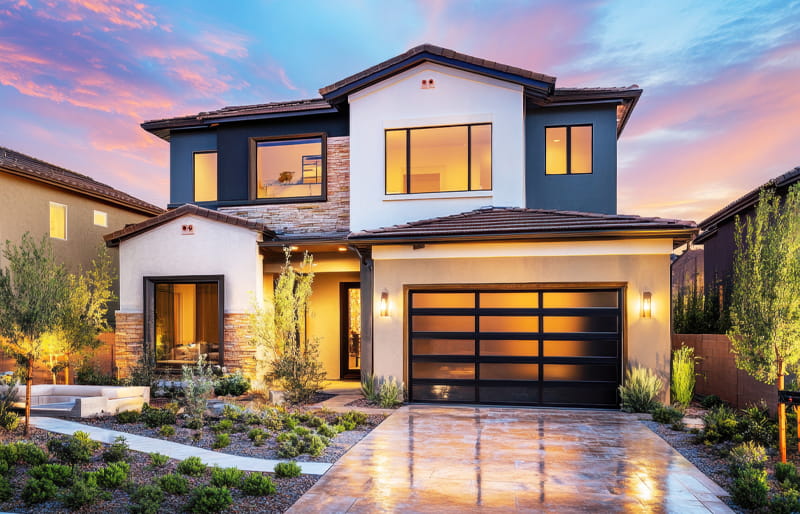
Should You Consider Buying a New Construction Home in a New Community - versus an Existing Home?
There is something exciting about walking into a brand-new home. The kitchen has never been used, the finishes are fresh, and you can picture yourself being the first person to make it your own.
Then again, an existing home might offer the neighborhood you already love, mature trees, a larger yard, or a shorter commute.
So, which should you choose?
As a mortgage professional who works with buyers purchasing homes in builder communities, I believe new construction deserves serious consideration. The combination of modern design, new systems, potential builder incentives, and community amenities can make it a compelling option.
But the right decision comes from understanding the complete picture: what you will pay, how you want to live, and what owning that particular home will involve.
Let’s look at how the two options compare.
Why a New Construction Home May Be the Right Choice
A fresh start with fewer aging systems
When you purchase a new home, you generally begin with a new roof, heating and cooling equipment, plumbing, electrical systems, and appliances included in the sale.
That can reduce the likelihood of facing major replacements immediately after moving in. For a buyer who wants to preserve savings after closing, that is a meaningful consideration.
An existing home can be an excellent purchase, but its condition matters. A roof approaching replacement, an aging air conditioner, or outdated plumbing can change the financial picture considerably.
New construction still requires maintenance, and new homes can have defects. An independent inspection remains a valuable part of the buying process.
Layouts designed around how people live today
Many new homes offer features buyers would otherwise need to renovate an older property to achieve:
- Open kitchens and living areas.
- Flexible rooms for work, guests, or hobbies.
- More storage and larger closets.
- Convenient laundry spaces.
- Modern electrical and connectivity features.
- Floor plans that support single-level living.
Depending on the builder and stage of construction, you may also have opportunities to select finishes or upgrades.
Just remember that the model home may include features that are not part of the advertised base price. Ask for a clear breakdown of what is included, what costs extra, and whether the homesite carries an additional premium.
Energy efficiency worth investigating
New construction may offer advantages through newer insulation, windows, heating and cooling equipment, and building practices. However, the actual benefit depends on the home’s specifications, size, climate, and how you use it.
Ask the builder about efficiency ratings, certifications, and available performance information. Programs such as DOE Efficient New Homes use defined performance requirements and third-party verification, giving buyers something concrete to evaluate. [energy.gov]
A new home should not automatically be assumed to have lower utility bills than every existing home. Compare the details.
Builder incentives can improve the financial picture
One of the strongest reasons to explore a new community is the possibility of builder incentives.
Depending on the community, available inventory, and promotion, an offer may include:
- Contributions toward eligible closing costs.
- Funds toward an interest rate buydown.
- Selected upgrades or appliance packages.
- A price reduction on certain homes.
These offers can make a meaningful difference, particularly when preserving cash at closing is a priority. However, incentives have conditions, and some may depend on using a preferred lender or meeting a specified closing deadline.
The question is not simply, “How much is the builder offering?” It is, “How does this offer affect my total cost?”
Compare the home price, financing terms, lender fees, cash needed at closing, and ongoing payment together. The Consumer Financial Protection Bureau recommends shopping lenders even when a builder has a preferred lender, and comparing official Loan Estimates. [Consumer Financial Protection Bureau]
Also, understand the difference between a temporary buydown and a permanent rate reduction. A temporary buydown provides payment assistance for a limited period; you need to be comfortable with the payment after that assistance ends. Do not build your budget around an assumption that refinancing will be available later.
Warranty coverage can provide reassurance
Many newly built homes come with builder warranty coverage, which may help address certain construction issues during specified periods.
Read the actual warranty before purchasing. Coverage, exclusions, claim procedures, and deadlines matter. Builder warranties do not cover every problem or every expense associated with a repair. [Consumer Advice]
Ask who handles service requests and how the builder manages issues discovered during the final walkthrough or after move-in.
What About the New Community Itself?
Buying in a new residential community means choosing more than a floor plan.
Depending on the development, you may find walking paths, recreation areas, a pool, shared gathering spaces, or other amenities. Moving in while a neighborhood is taking shape can also create opportunities to meet neighbors who are settling in alongside you.
However, look beyond the sales presentation.
Find out which amenities are completed and which are planned. Ask about construction phases, nearby future development, homeowners association rules, and the ongoing costs of maintaining shared facilities.
You may also live near active construction for a period of time. Consider how noise, traffic, dust, and unfinished landscaping could affect your daily routine.
A beautiful home should come with a clear understanding of the community around it.
Why an Existing Home May Be the Better Fit
An existing—or resale—home can offer advantages that are difficult to reproduce in a new development.
The location may suit your life better
Established neighborhoods may place you closer to work, family, shopping, or the places you visit most.
An extra bedroom or a brand-new kitchen might lose some appeal if the location adds substantial time to your daily commute.
Visit both options at different times of day. Think about the drive, the surrounding activity, and how the location fits your ordinary week.
You can see the neighborhood as it stands
With an established community, you can usually observe the streetscape, mature landscaping, nearby development, and existing amenities.
That can make it easier to understand what living there will feel like.
Some resale properties also offer larger lots, architectural character, or features that are difficult to find within your budget in a new community.
Improvements may already be included
An existing home may come with window coverings, fencing, landscaping, appliances, or other improvements that would be additional purchases in a new home.
Some have also undergone substantial renovations or system replacements.
The important distinction is between a home that looks updated and one that has been well maintained. Review available records and use inspections to understand the condition behind the finishes.
The timing may work better
If you need to move on a firm schedule, an existing home may provide a more predictable option than a home still under construction.
A completed, move-in-ready builder home may also meet that need. Ask about both completed inventory and homes under construction before assuming all new homes require a lengthy wait.
Compare the Cost of Ownership, Not Just the Price
Two homes with similar purchase prices can create very different financial obligations.
Before choosing, compare:
| Expense or consideration | What to review |
|---|---|
| Mortgage payment | Loan amount, interest rate, mortgage insurance if applicable, and any future payment changes |
| Property taxes | An estimate reflecting the completed home and applicable local assessment rules |
| Homeowners insurance | A quote for the specific property |
| Community costs | HOA dues and any applicable district charges or assessments |
| Repairs and maintenance | The condition and age of major systems, plus a reasonable reserve |
| Move-in expenses | Landscaping, fencing, window coverings, appliances, or other items not included |
| Builder incentives or seller concessions | Their conditions, permitted uses, and actual effect on your costs |
For new construction, be especially careful with property tax assumptions. An earlier tax bill may reflect vacant land or a partially completed property. Ask for an estimate appropriate to the finished home.
For an existing home, do not let attractive cosmetic updates distract from the condition of expensive systems.
The better purchase is the one you can comfortably own after moving day.
How a Builder’s Preferred Lender Can Help
When a lender is familiar with a builder’s process, that familiarity can help with communication, documentation, incentive questions, and coordination around the anticipated closing date.
As a preferred lender working with builders, my role is to help buyers understand how the financing fits the purchase.
That includes questions such as:
- How much cash will I need at closing?
- Which available incentives apply to my transaction?
- What will my payment be after any temporary assistance ends?
- What happens to my rate lock if completion is delayed?
- How much should I keep in reserve after buying?
You should feel comfortable asking those questions and comparing your options. A strong lending relationship begins with clear answers.
My Advice: Give New Construction a Fair Comparison
If you have been focusing only on existing homes, I encourage you to explore new construction before making your decision.
A new home may offer the layout you want, newer systems, warranty coverage, and builder incentives that make the numbers more attractive than you expected.
An existing home may offer the location, lot, character, or established surroundings that matter most to you.
Neither choice should be made from the listing price or the model home experience alone. Compare the complete cost, inspect the property, understand the terms, and think about how the home will serve you over time.
At Freedom Pointe Mortgage, powered by Secure Choice Lending, I can help you review the financing side of that decision so you can move forward with a clearer understanding of your options.
Considering a new community or an existing home? Let’s talk through the numbers before you decide.
Financing is subject to credit approval and applicable loan requirements. Builder incentives, concessions, and warranty coverage vary by property, builder, program, and transaction.